What good shall I do this day?









Discover
our linguistic journey
Unravel tales of ancient scripts, modern fonts, and creative expressions. Let the adventure into the world of typography begin!
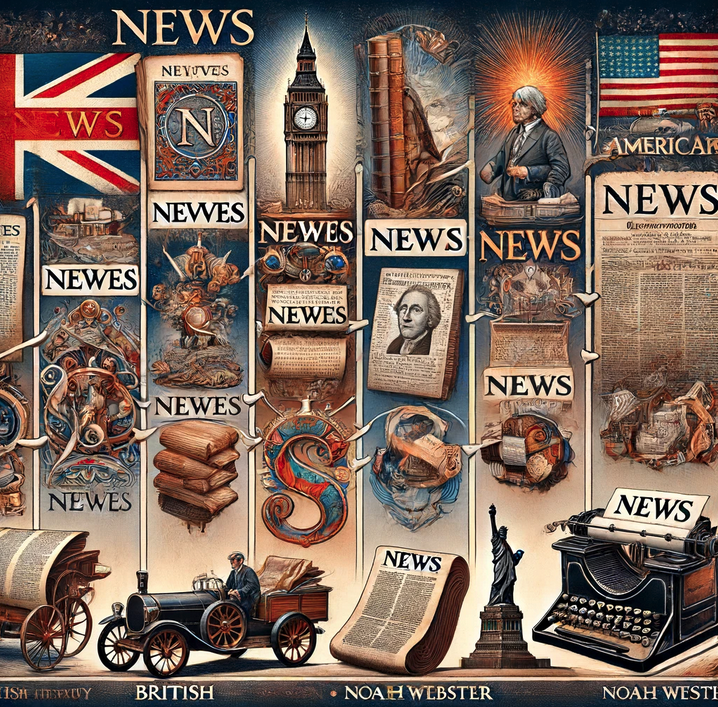
The word "news" has evolved from older forms like "newes" and "nevves," which reflect the non-standardized spelling conventions of earlier periods in English. By the 18th century, "news" became the standard spelling due to the influence of dictionaries and the standardization of English spelling. The differences in spelling reflect broader changes in the English language and its orthography over time.
"News"
Origin: The word "news" derives from the plural of the word "new," implying new things or new events. It has been used since the late 14th century in English.
Modern Usage: Today, "news" is the standard spelling in both British and American English. It refers to newly received or noteworthy information, especially about recent events.
"Newes"
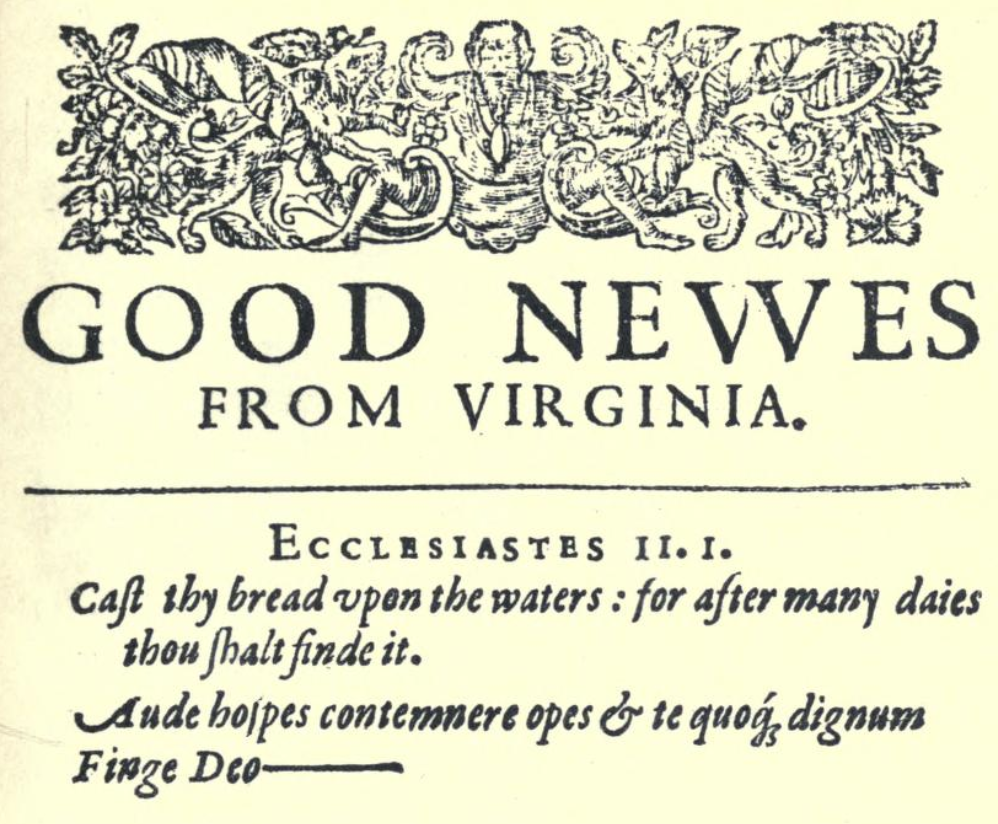
Historical Usage: The spelling "newes" is an archaic form of "news" that was used in Middle English. During the 15th to 17th centuries, English spelling was not standardized, and variations like "newes" were common.
Transition to Modern Spelling: Over time, English spelling became more standardized, especially after the advent of printing and the publication of dictionaries. By the 18th century, the spelling "news" became the accepted standard in both British and American English.
"Nevves"
Historical Context: The spelling "nevves" is even more archaic and can be found in texts from the 16th and early 17th centuries. It represents an older phonetic spelling before spelling conventions were established.
Phonetic Representation: This form reflects how words were sometimes spelled based on their pronunciation at the time, which could vary by region and dialect.
Evolution of Spelling in British and American English
Early Modern English (1500-1700): During this period, English spelling varied widely. Authors, printers, and scribes often used different spellings for the same words.
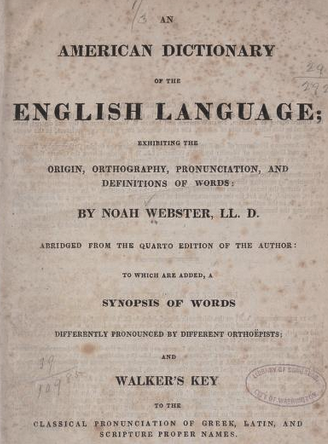
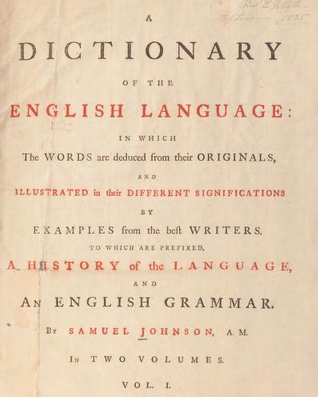
Standardization: The process of standardizing English spelling began in earnest in the 18th century with the influence of lexicographers like Samuel Johnson in Britain and Noah Webster in America. Johnson’s "A Dictionary of the English Language" (1755) was highly influential in Britain, while Webster’s "An American Dictionary of the English Language" (1828) played a similar role in the United States.
Differences in British and American English: Although there are differences between British and American spelling (e.g., "color" vs. "colour"), the word "news" is spelled the same in both dialects. The standardization processes in both countries led to a unified spelling for this particular word.
Historical Documents and Usage
Newspapers and Periodicals: Early newspapers and periodicals in both Britain and America used various spellings before standardization. For instance, you might find "newes" or even "nevves" in 17th-century publications.
Literary Works: In historical texts, especially those from the Middle Ages and the Renaissance, you can find these archaic spellings in both literary and non-literary works.
Get in Touch!
Ready to embark on a thrilling linguistic journey? Share your details and let's weave words together. We are bursting with excitement to connect with you!